


About

Located in the northeastern corner of Namibia, Mudumu National Park protects a rich floodplain ecosystem along the banks of the Kwando River. The park covers approximately 390 square miles (1,010 sq km) within Namibia’s lush Zambezi Region, formerly known as the Caprivi Strip.
Unlike the dry deserts that dominate much of Namibia, Mudumu National Park is defined by wetlands, river systems, woodlands, and dense vegetation. The park lies near several important conservation areas, including Bwabwata National Park and Nkasa Rupara National Park, forming part of a vast transboundary wildlife corridor that stretches across southern Africa.
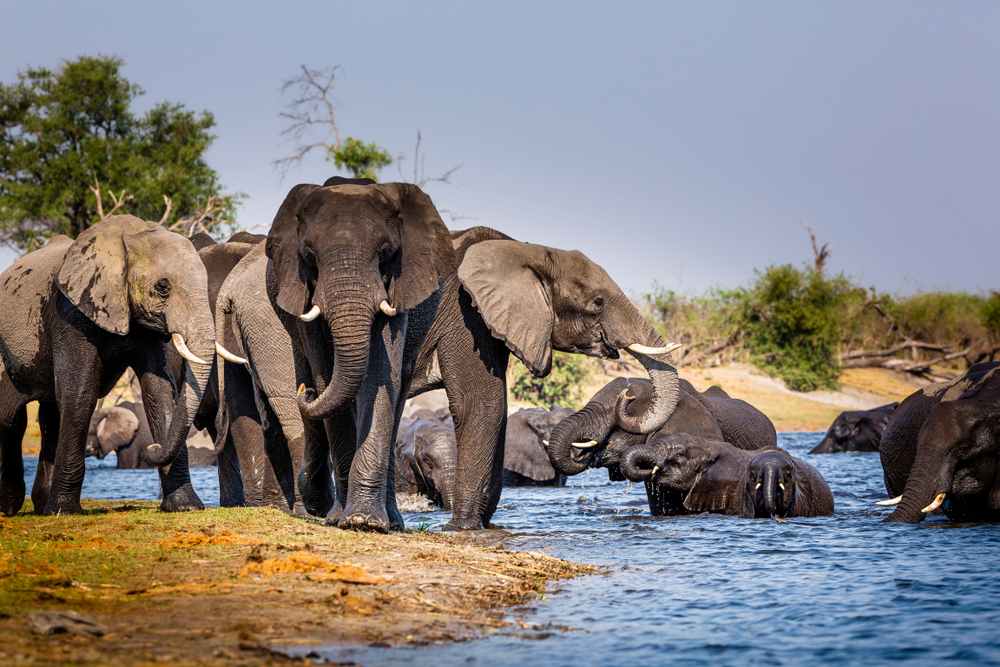
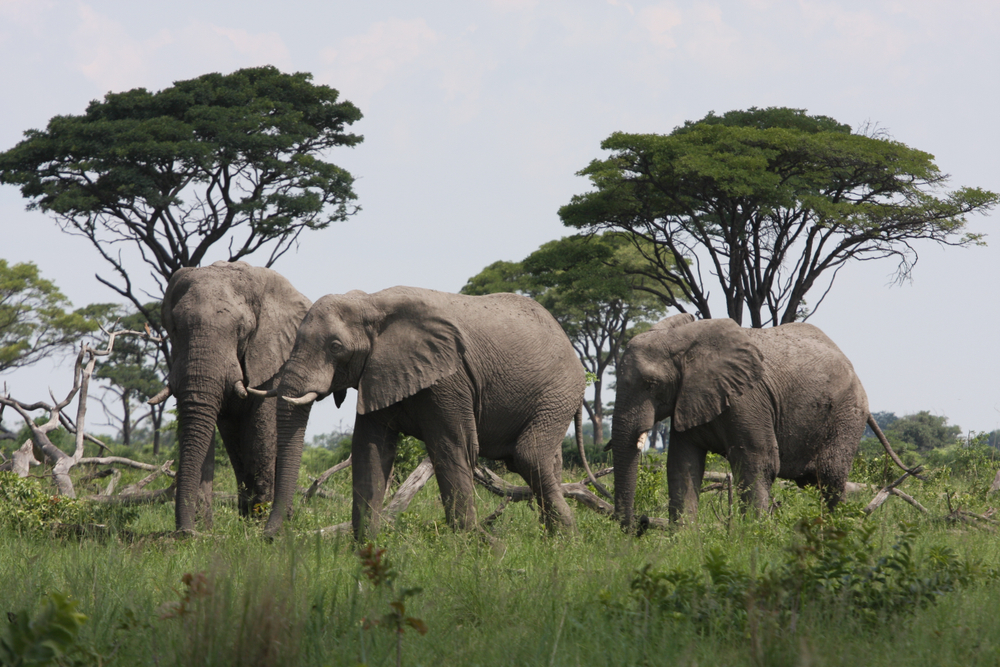
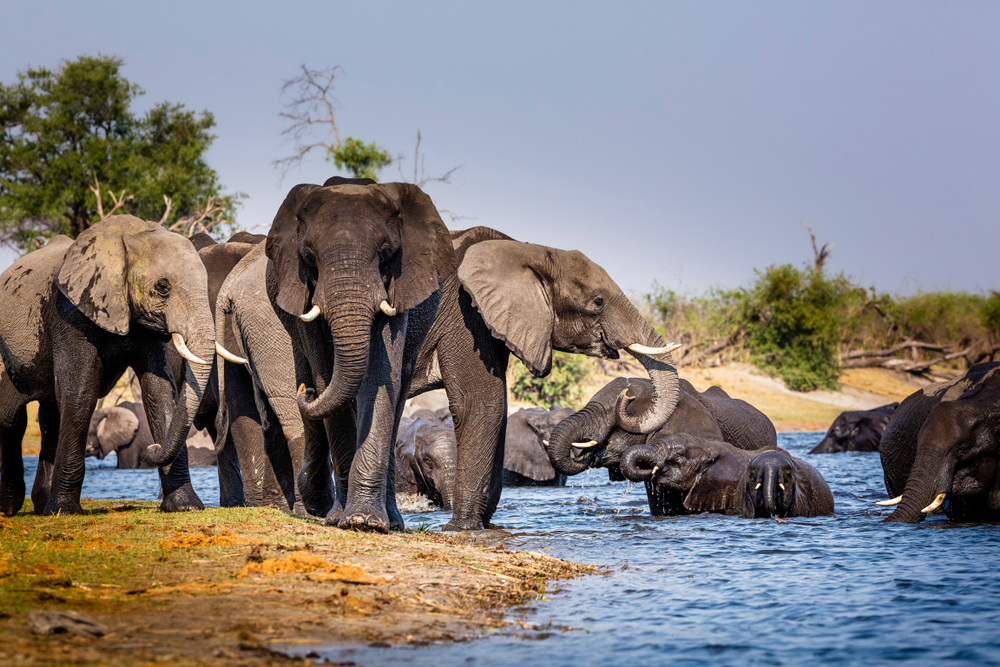
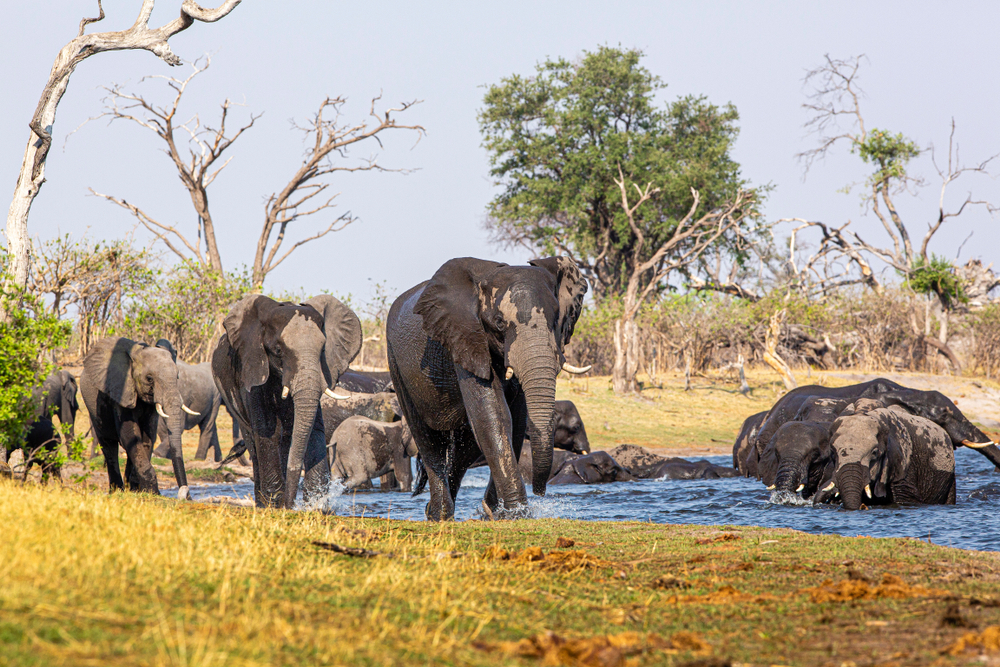
Mudumu National Park is best known for its remote wilderness, large elephant herds, and excellent opportunities for river-based wildlife viewing. The Kwando River creates a lifeline for animals throughout the year and attracts wildlife from neighboring countries. Visitors are drawn to the park for its peaceful atmosphere and uncrowded safari experience.
Unlike many heavily visited African parks, Mudumu offers a quieter sense of discovery where travelers may spend hours exploring without encountering other vehicles. Boat safaris along the river provide exceptional opportunities to observe elephants, hippos, crocodiles, and waterbirds from close range. The park’s wild character and lack of mass tourism make it especially appealing to adventurous travelers seeking authentic wilderness experiences.
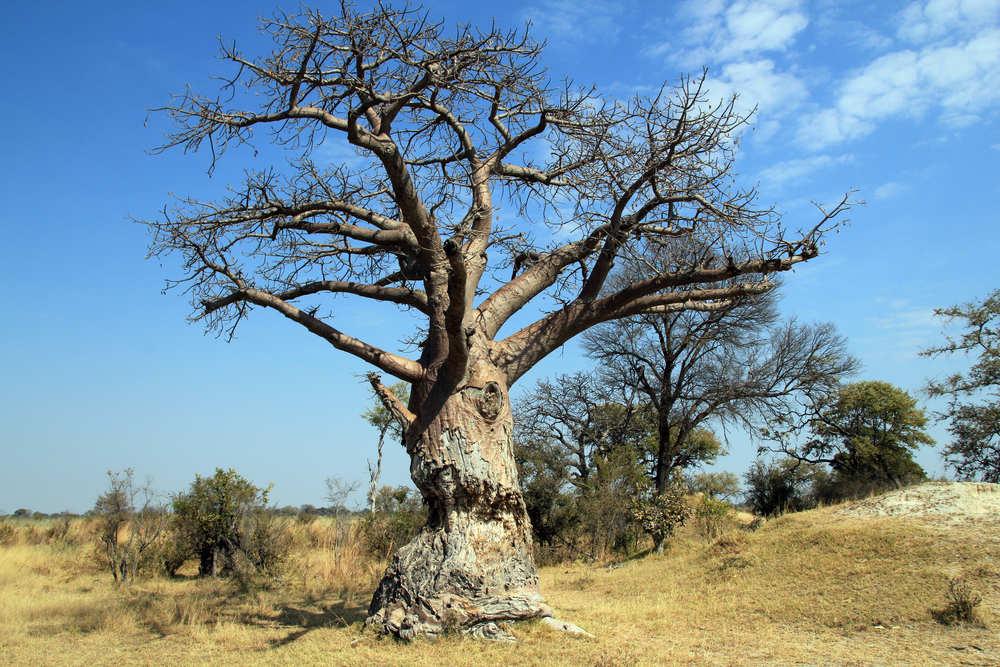
The geography of Mudumu National Park is shaped by floodplains, river channels, grasslands, and dense woodlands. Seasonal flooding from the Kwando River transforms portions of the landscape and creates fertile habitats that support abundant wildlife. The park contains broad savannah areas mixed with mopane woodland, acacia trees, reeds, and wetlands.
Thick riverine forests line the waterways and provide shelter for many animal species. During the dry season, wildlife concentrates near permanent water sources, creating outstanding viewing conditions. The flat terrain allows sweeping views across grasslands where large mammals can often be seen moving through the landscape at sunrise and sunset.
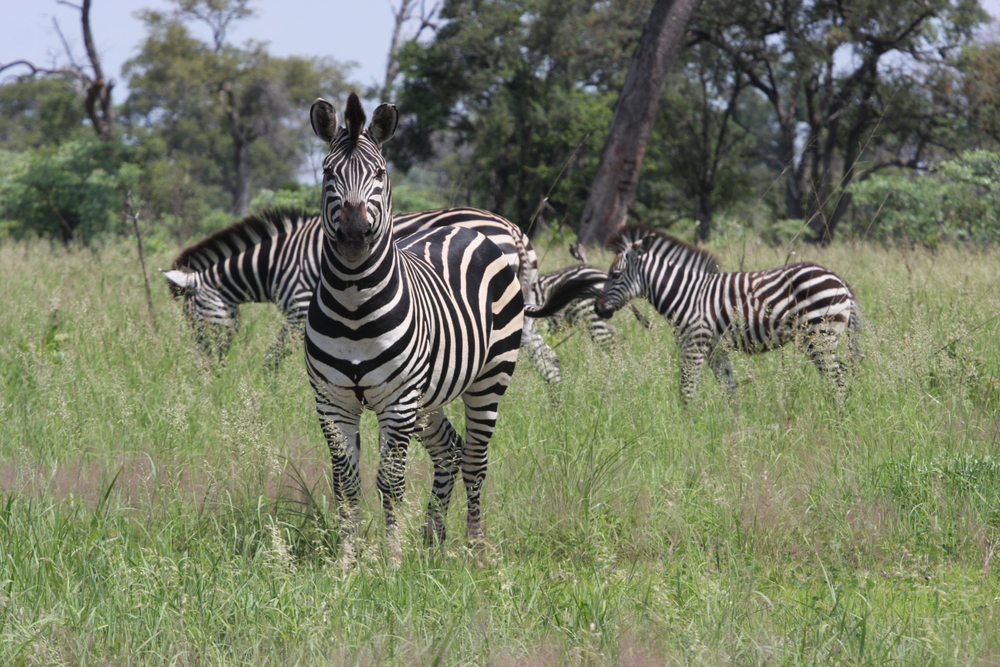
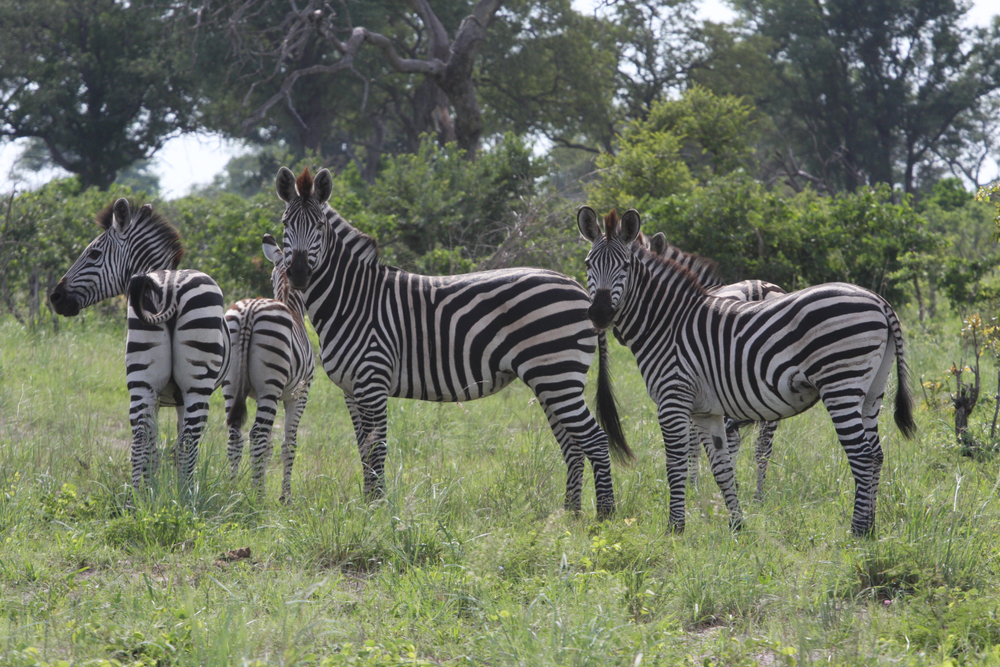
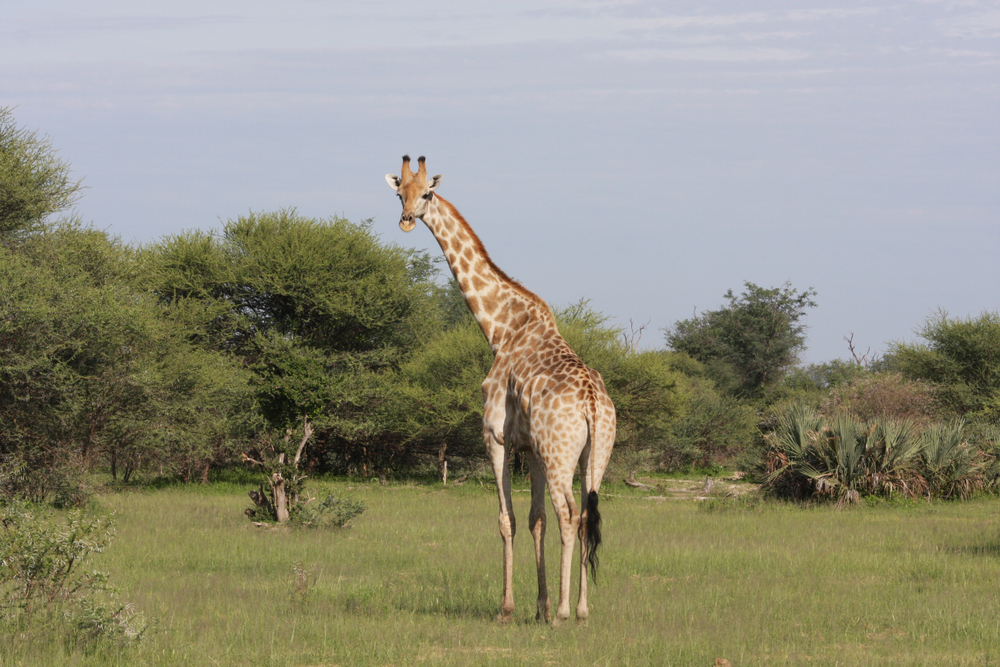
Wildlife diversity in Mudumu National Park is among the richest in Namibia. African elephants are one of the park’s signature species and frequently travel through the region in large numbers. Buffalo, hippos, crocodiles, giraffes, zebras, wildebeest, and antelope species such as kudu, impala, and sable antelope are commonly observed.
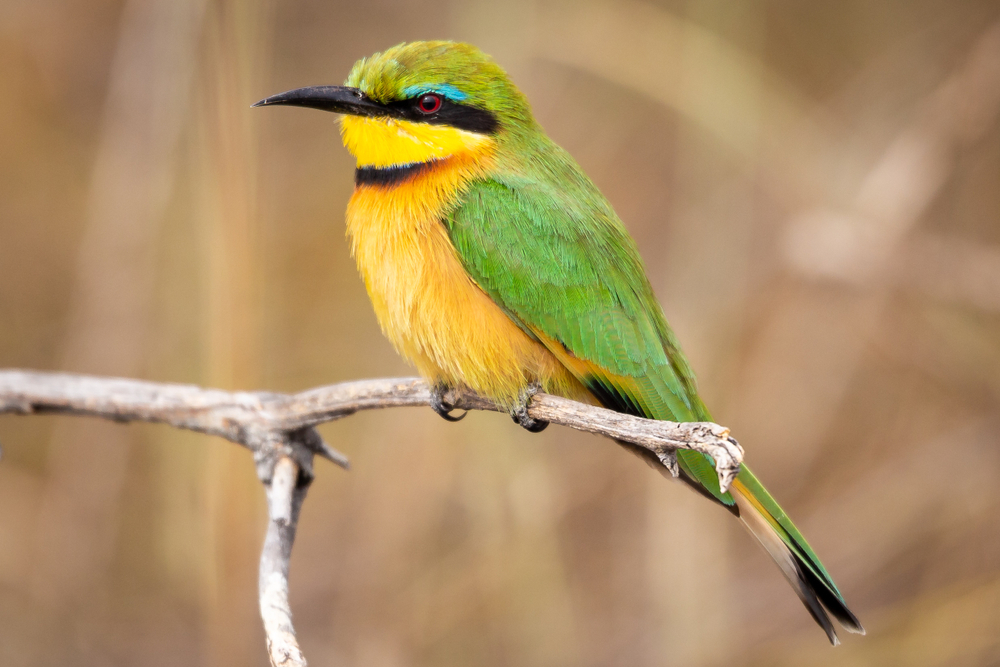
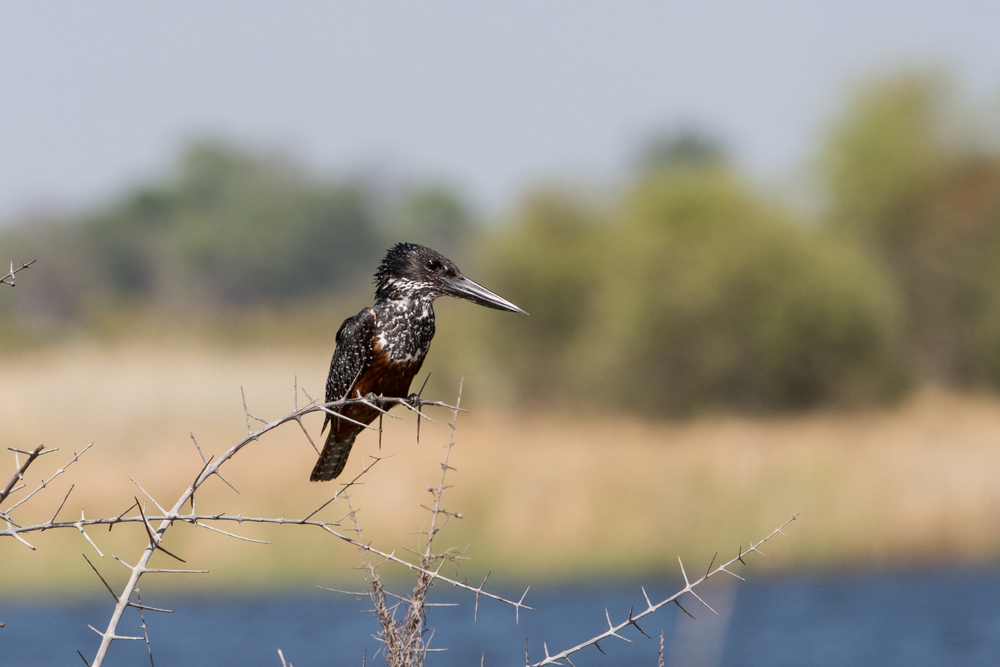
Predators including lions, leopards, spotted hyenas, and African wild dogs also inhabit the park, though sightings can require patience. Mudumu is particularly important for birdwatching and supports hundreds of bird species associated with wetlands and savannah habitats. African fish eagles, kingfishers, bee-eaters, herons, and wattled cranes are regularly seen along the river systems.
Mudumu National Park plays a vital role in protecting one of southern Africa’s most important wildlife migration corridors. The park forms part of the vast Kavango-Zambezi Transfrontier Conservation Area, often called KAZA, which links protected landscapes across Namibia, Botswana, Zambia, Angola, and Zimbabwe.
This connectivity allows elephants and other large mammals to move freely across international boundaries. Compared to larger river parks such as Chobe National Park, Mudumu offers a more secluded and intimate safari experience while protecting equally important wetland ecosystems. The park safeguards threatened wildlife populations and preserves critical habitats that support biodiversity across southern Africa. Mudumu National Park remains one of Namibia’s hidden conservation treasures and an extraordinary destination for travelers seeking wilderness, wildlife, and solitude.
Photos
Things to See
Things To Do
Along with safaris of different types, the park offers other ways to experience the natural wonders of the region.

Park Protection
Mudumu National Park was created to protect the migratory corridor for wildlife traveling between Namibia, Angola, Botswana and Zambia. The park is part of the larger Kavango-Zambezi Trans-Frontier Conservation Area which is the largest in Africa.
Mudumu and its conservation neighbors are imperative for the protection of the migrating wildlife species. In particular, the African bush elephant is subjected to threats of poaching so the park helps give them a better fighting chance.
Sources
- Exploring Tourism Namibia, Mudumu National Park, http://www.travelonamibia.com/places-to-visit/mudumu-national-park/#.Xzl23C2z2uU, retrieved August 2020.
- Info Namibia, Mudumu National Park, https://www.info-namibia.com/activities-and-places-of-interest/caprivi/mudumu-national-park, retrieved August 2020.
- Ministry of Environment, Mudumu National Park, http://www.met.gov.na/national-parks/mudumu-national-park/223/, retrieved August 2020.
- NACSO, Mudumu National Park, http://www.nacso.org.na/national-parks/mudumu-national-park, retrieved August 2020.
- Namibia Tourism, Mudumu National Park, https://www.namibiatourism.com.na/uploads/file_uploads/Mudumu%20National%20Park.pdf, retrieved August 2020.
- Your African Safari, Mudumu National Park, https://www.yourafricansafari.com/parks/mudumu, retrieved August 2020.